In Pakistan, especially in Karachi, bulk and Ijtimai Qurbani operations handle large volumes of meat during Eid ul Adha. Proper freezing of Qurbani meat is essential to maintain hygiene, prevent spoilage, and ensure safe distribution.This guide explains how to freeze Qurbani meat safely, specifically for bulk Qurbani, corporate setups, NGOs, and large-scale distribution systems.
What is the best way to freeze Qurbani meat safely in bulk?
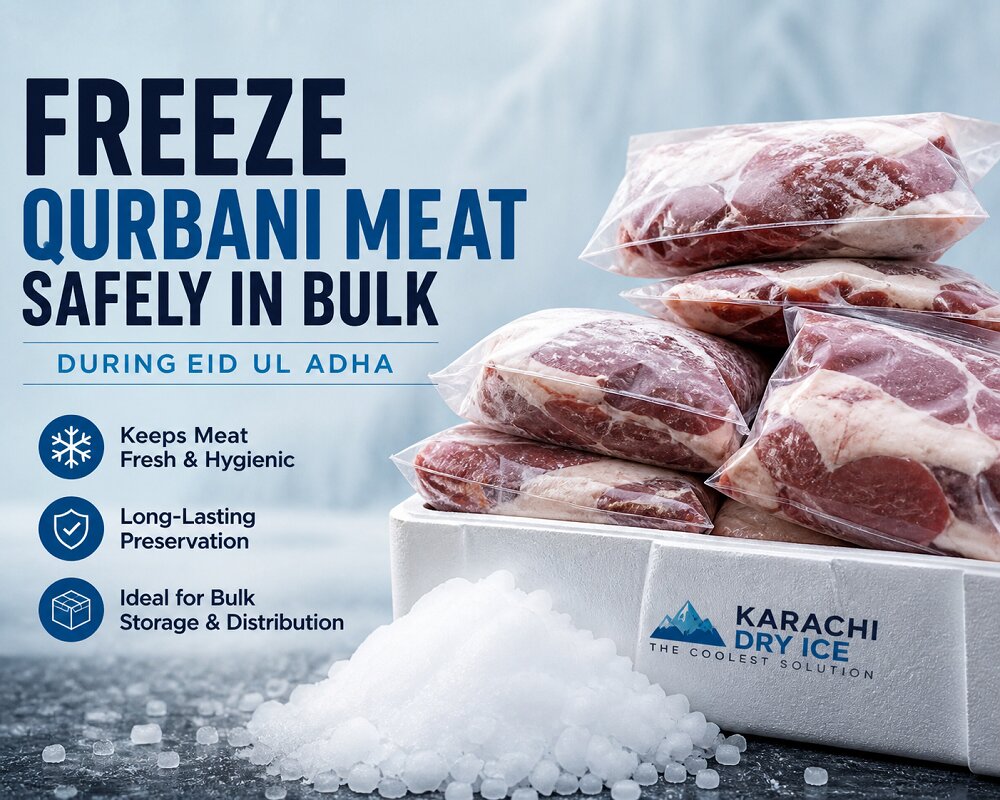
The best way to freeze Qurbani meat safely is to cool it first after slaughter, portion it properly, pack it in airtight packaging, and freeze it using deep freezers or dry ice to maintain consistent low temperature.
In bulk Qurbani operations, freezing should follow a structured workflow. Fresh meat must not be placed directly into freezers while still warm, as it affects both texture and cooling efficiency. Instead, pre-cooling and organized packing ensure faster and safer freezing.
Why is freezing Qurbani meat important in Pakistan, especially Karachi?
Freezing Qurbani meat is important in Pakistan due to high temperatures, which can cause meat spoilage within hours if not properly stored.
In cities like Karachi, heat and humidity increase bacterial growth risks. During Eid ul Adha, when bulk Qurbani meat is processed, delays in freezing can lead to contamination, odor, and health hazards. This makes proper Qurbani meat storage in Karachi a critical step in collective sacrifice operations.
When should bulk Qurbani meat be frozen after slaughter?
Bulk Qurbani meat should be frozen only after it has cooled down for a few hours post-slaughter.
Fresh meat contains internal heat and active enzymes. Immediate freezing traps this heat, affecting meat quality. Large-scale Qurbani setups should use shaded or ventilated areas for initial cooling before moving meat into freezing systems.
How should Qurbani meat be prepared before freezing?
Qurbani meat should be cut into portions, cleaned without excess water, and packed in airtight bags before freezing.In bulk operations, standardization is key. Uniform portion sizes improve freezing speed and storage efficiency. Avoid washing meat excessively, as moisture leads to ice formation and reduces quality. Proper packaging ensures hygienic Qurbani meat storage and easier distribution.
What are the best methods for bulk Qurbani meat freezing?
The best methods include deep freezers, cold storage units, and dry ice for bulk Qurbani meat freezing.
Corporate Qurbani setups and superstores typically use industrial refrigeration systems. However, during Eid peak load, these systems can become inefficient due to overload. This is where dry ice for Qurbani meat provides additional cooling support.Using dry ice solutions for meat freezing ensures faster temperature reduction and helps maintain a strong cold chain.
How does dry ice help in freezing Qurbani meat?
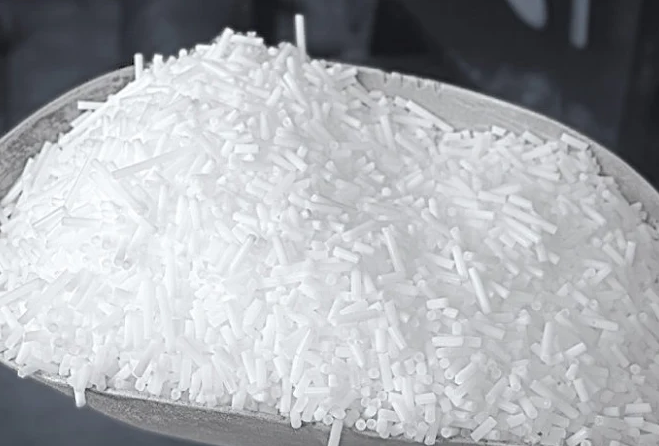
Dry ice freezes Qurbani meat faster by providing extremely low temperature (-78.5°C) and moisture-free cooling.
Dry ice sublimates directly from solid to gas, meaning it does not create water. This prevents contamination, maintains hygiene, and improves meat quality during freezing.
For bulk Qurbani meat freezing in Pakistan, especially in Karachi, dry ice is widely used as a reliable solution for both storage and transport.For consistent supply, Karachi Dry Ice offers bulk dry ice supply for Eid and large-scale Qurbani operations.
How do corporate and supermarket Qurbani setups manage freezing?
Corporate and supermarket Qurbani setups use cold storage systems combined with dry ice to manage large-scale meat freezing efficiently.
Unlike households, these setups do not face load shedding issues but face high-volume processing challenges. Continuous inflow of fresh meat reduces freezer efficiency.
To handle this, they use:
- Pre-cooling zones
- Industrial freezers
- Dry ice for rapid cooling
This combination ensures proper bulk Qurbani meat freezing in Pakistan without compromising quality.
How to freeze Qurbani meat for transport and distribution?
Qurbani meat should be frozen, packed in insulated boxes, and supported with dry ice for safe transport and distribution.
For Ijtimai Qurbani and NGO distribution, maintaining temperature during delivery is critical. Thermocol boxes with dry ice help keep meat frozen during:
- City-wide delivery in Karachi
- Intercity transport
- Delayed distribution schedules
This ensures safe frozen Qurbani meat transport and preserves hygiene.
What are common mistakes in bulk Qurbani meat freezing?
Common mistakes include freezing warm meat, overloading freezers, poor packaging, and lack of temperature control.
These mistakes reduce meat quality and increase spoilage risk. Bulk Qurbani operations must follow structured processes to avoid these issues.
How long can frozen Qurbani meat last?
Frozen Qurbani meat can last several months if stored at consistent freezing temperatures.
However, maintaining a stable cold chain is essential. Repeated thawing and refreezing should be avoided as it damages meat quality and safety.
Why is dry ice essential for bulk Qurbani in Karachi?
Dry ice is essential in Karachi due to extreme heat and large-scale Qurbani operations requiring reliable cold chain support.
It helps:
- Freeze meat faster
- Maintain hygiene
- Support transport
- Reduce pressure on cold storage systems
For large-scale use, Karachi Dry Ice provides dry ice for bulk Qurbani meat freezing, transport, and distribution across Pakistan.
Final Thoughts
Freezing Qurbani meat safely is a critical part of Eid ul Adha operations—especially for bulk and collective Qurbani setups in Pakistan. In cities like Karachi, where heat and scale create challenges, traditional methods alone are not enough.
A combination of structured workflow, proper packaging, industrial cold storage, and dry ice for Qurbani meat ensures safe, hygienic, and efficient meat preservation.
For organizations handling large volumes, choosing the right cold chain solution is not optional—it is essential.